Type 2 Diabetes
Remission & Reversal
Diabetes remission — often searched as "diabetes reversal" — is a recognised medical outcome, backed by published trials. Dr. Manuj Sondhi (MRCP UK, Reg. No. 12-42985) runs a structured 90-day metabolic programme at Nirvana Clinic, Greater Noida, that helps eligible patients work towards normal HbA1c, in some cases without medication. Remission is not achievable for everyone and individual results vary.
What Is Diabetes Remission?
Many people search for "diabetes reversal." The accurate medical term is remission — achieving an HbA1c below 6.5% without glucose-lowering medication for at least 3 months. It is not a permanent cure; it's a state in which the body regains better blood-sugar control, and it can be lost if healthy habits stop.
The science is well described. The Twin Cycle Hypothesis (Prof. Roy Taylor, Newcastle University) describes how excess fat in the liver and pancreas contributes to Type 2 diabetes, and how reducing it may help restore insulin function in some people.
In the DiRECT trial (published in The Lancet), 46% of participants achieved remission at 12 months through a structured weight-management programme. That is a study-population result under trial conditions — it shows what is possible, not what is guaranteed for any individual. At Nirvana Clinic, Dr. Manuj Sondhi applies these evidence-based principles — with CGM monitoring and, where appropriate, GLP-1 therapy — to help eligible patients in Greater Noida work towards reducing, and in some cases stopping, diabetes medication under close supervision.
"Dr. Manuj placed me on a CGM, rebuilt my diet around what the data actually showed, and supervised every change to my medication closely. For the first time I understood how my own meals were affecting my sugar." — Verified patient, Greater Noida (shared with consent; individual results vary)
⏳ Why Earlier Is Generally Better
Remission tends to become less likely the longer diabetes has been present, because insulin-producing beta cells decline over time with sustained high sugar. This is why assessment earlier in the disease often gives more options — though every case is individual.
Long-standing, poorly controlled blood sugar can also raise the risk of:
Eye / vision damage
Nerve pain in feet
Kidney damage
Cardiovascular risk
| Feature | Standard Management | Remission Programme |
|---|---|---|
| Goal | Control sugar levels | Work towards medication-free HbA1c <6.5% |
| Medications | Often long-term | Aim to reduce, and where achievable, stop |
| Monitoring | Finger-prick glucose | CGM data over the programme |
| Diet | General guidelines | CGM-personalised to your responses |
| Duration | Indefinite | 90-day structured programme |
| Outcome | Disease managed | Remission where achievable |
Who Is Most Likely to Achieve Remission?
Remission is not achievable for everyone. Dr. Manuj assesses suitability individually through a comprehensive metabolic screening.
- Type 2 Diabetes diagnosed within the last 6 years
- BMI above 27 (overweight or obese)
- Currently on oral medications (not long-term insulin-dependent)
- HbA1c roughly between 7.0–10.0%
- Able to commit to 90 days of lifestyle change
- No advanced kidney disease (eGFR >45)
- PCOS-related insulin resistance
- Prediabetes (HbA1c 5.7–6.4%) — to help prevent progression
- Type 1 Diabetes or LADA (autoimmune)
- Type 2 Diabetes for more than 10 years
- Insulin-dependent for more than 5 years
- Advanced complications (kidney failure, proliferative retinopathy)
- Very low C-peptide (limited pancreatic reserve)
- Unable to make dietary and activity changes
Even where full remission isn't achievable, many people still benefit — fewer medications or lower doses, better HbA1c, and reduced complication risk. These outcomes also vary by individual.
The 90-Day Remission Roadmap
A structured, physician-supervised programme. Timelines and outcomes are typical descriptions and vary between individuals.
Comprehensive screening: HbA1c, fasting insulin, C-peptide, liver function (fatty-liver check), kidney function (eGFR, urine microalbumin), lipid profile, thyroid and vitamin B12. This helps determine whether remission is a realistic goal for you and sets a personalised baseline.
A Continuous Glucose Monitor tracks glucose continuously for around 14 days, revealing which foods raise your sugar and when. Dr. Manuj uses this to personalise your diet around real data — showing which Indian meals suit your body — rather than a generic chart.
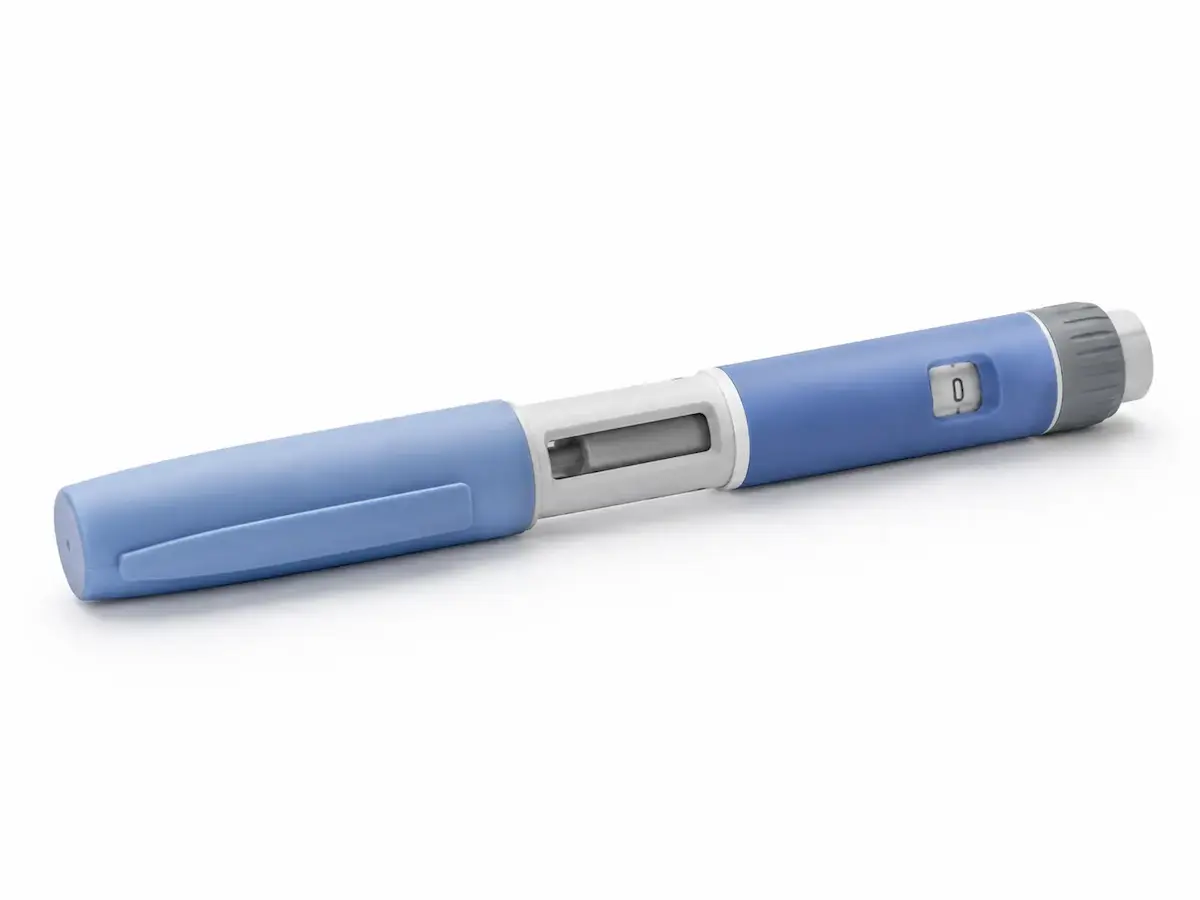
As diet and weight improve, medication is reviewed and adjusted gradually under supervision — never stopped abruptly. For eligible patients, GLP-1 receptor agonists (such as semaglutide or tirzepatide) may be considered to support weight loss and glucose control. These are prescription-only medicines used only after individual assessment. Read our guide on protecting muscle on GLP-1 therapy →
At around day 90, HbA1c is re-tested. If remission criteria are met (HbA1c <6.5% without glucose-lowering medication), you enter a maintenance phase — periodic check-ups, annual complication screening, and a long-term plan to reduce the chance of relapse. Remission is not "set and forget"; it needs ongoing attention.
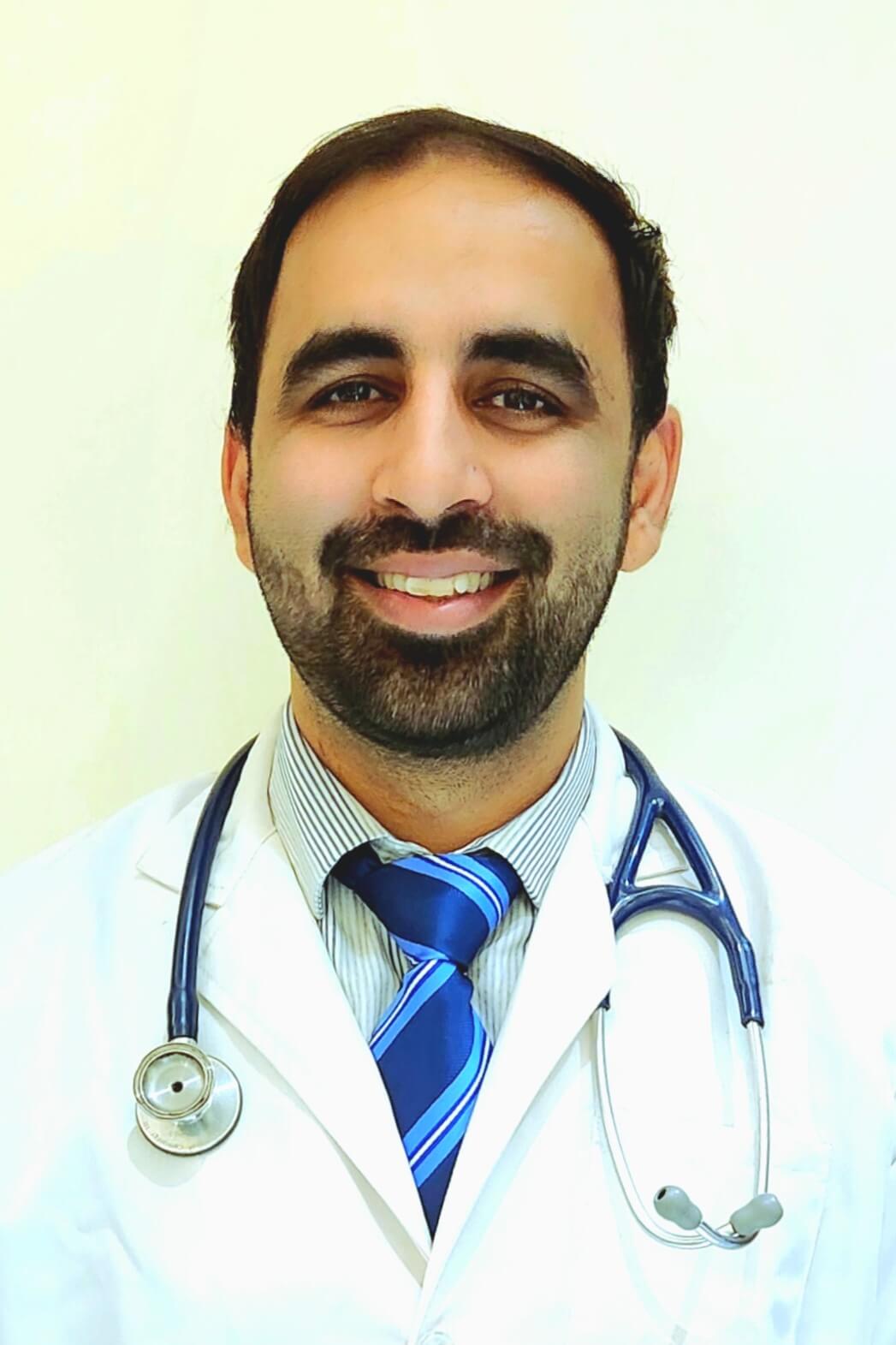
Dr. Manuj Sondhi — Consultant Physician & Diabetologist
Dr. Manuj Sondhi
MBBS, MD, DNB, MRCP (UK), PGD in Clinical Endocrinology & Diabetes, Fellowship in Infectious Diseases & HIV (Tata Memorial Hospital, Mumbai) · Consultant Physician & Diabetologist, Nirvana Clinic · Visiting Consultant, Fortis Hospital · 15+ years · Reg. No. 12-42985
One of Greater Noida's few MRCP (UK)-qualified physicians with a focus in diabetes and metabolic medicine, Dr. Manuj combines international training with everyday clinical experience. His approach to remission is rooted in the evidence — the DiRECT trial principles, CGM-guided nutrition, and supervised use of GLP-1 therapy where appropriate. He trained and worked at Sir Ganga Ram Hospital, completed a fellowship at Tata Memorial Hospital, and is a Visiting Consultant at Fortis Hospital, with a focus on helping patients reduce — and where achievable, stop — medication under supervision. Verified ORCID research identity 0009-0007-0394-9480 · 17 peer-reviewed publications.
Diabetes often coexists with anxiety, depression and stress — especially during lifestyle change. Dr. Debolina Chowdhury (MD Psychiatry) practises in the same clinic, offering integrated diabetes and mental-health care under one roof in Greater Noida.
Meet Dr. Debolina →Some patients also benefit from GLP-1 medication as part of a supervised plan. Learn about our medical weight-loss programme, which can be combined with the remission programme where appropriate.
Weight-Loss Programme →Frequently Asked Questions — Diabetes Remission & Reversal
Can Type 2 Diabetes be reversed?▼
For some people, yes — in the sense doctors call remission. In the DiRECT trial (The Lancet, 2018), 46% of participants achieved remission at 12 months through a structured programme; that is a study result, and not everyone achieves it. Dr. Manuj Sondhi (MRCP UK) offers a structured, evidence-based remission programme at Nirvana Clinic, Greater Noida, with suitability assessed individually.
What is the difference between reversal and remission?▼
"Diabetes reversal" is the popular term; "remission" is the accurate medical term. Remission means maintaining normal blood sugar (HbA1c below 6.5%) without glucose-lowering medication for at least 3 months. It does not mean diabetes is permanently cured — if the healthy habits stop, blood sugar can rise again.
Who is most likely to achieve remission?▼
Generally, people with Type 2 diabetes of shorter duration (often within about 6 years), who are overweight, on oral medication rather than long-term insulin, and able to commit to lifestyle change. People with prediabetes may prevent progression. Eligibility is assessed individually through metabolic screening including C-peptide, fasting insulin and liver function — and remission is not achievable for everyone.
How long does the programme take?▼
The structured programme runs about 90 days with CGM monitoring, dietary intervention and supervised medication review. Some people see meaningful HbA1c improvement within several weeks; a remission assessment with an HbA1c re-test is done around day 90, followed by periodic monitoring.
What role does CGM play?▼
Continuous Glucose Monitoring (CGM) provides real-time glucose data, showing which foods raise your sugar and when. This builds a personalised picture of your responses — more informative than occasional finger-prick testing — and is one of the most useful tools in the programme.
Is the programme safe?▼
When supervised by a qualified physician, the approach is conservative. Dr. Manuj monitors kidney function, liver enzymes, pancreatic markers and nutrition throughout, and any medication change is gradual and supervised — never something to do abruptly on your own. Patients can reach the clinic with queries between visits.
Are Ozempic, Wegovy or Mounjaro part of the programme?▼
For eligible patients, GLP-1 receptor agonists may be considered to support weight loss and glucose control. Semaglutide (Ozempic, Rybelsus) and tirzepatide (Mounjaro) are approved in India for Type 2 diabetes; Wegovy is approved for weight management. These are prescription-only medicines used only after individual assessment, with attention to protein intake and resistance training to help protect muscle.
How do I book a consultation?▼
Call or WhatsApp +91 88002 62767. Nirvana Clinic: Shop GF-93, Sun Twilight Mall, Opp. Delta 1 Metro Station, Greater Noida, UP 201308. Open Monday to Saturday, 9 AM to 8 PM. The first consultation includes a metabolic assessment to discuss whether remission is a realistic goal for you.
Start Your Remission Journey at Nirvana Clinic
Nirvana Clinic supports patients seeking diabetes remission (commonly searched as "diabetes reversal") across Greater Noida, Noida Extension, Greater Noida West, Gaur City 1 & 2, Knowledge Park I, II & III, Pari Chowk, Alpha, Beta, Gamma, Omega, Chi, Phi, Delta 1, 2 & 3 sectors, and Noida sectors 137, 143, 150 and 168. Directly opposite Delta 1 Metro Station — under 15 minutes from most of these areas.
Sun Twilight Mall
Opp. Delta 1 Metro Station
Greater Noida, UP 201308
9:00 AM – 8:00 PM
Sunday — Closed
Same-day appointments often available
Take the First Step Toward Remission
A physician-supervised diabetes remission programme — CGM monitoring, metabolic intervention, and GLP-1 therapy where appropriate.
Book your metabolic assessment to discuss whether remission is realistic for you.