Fatty Liver and GLP-1 Therapy
in India — What the Evidence Shows
Fatty liver is closely tied to the same metabolic problems that drive type-2 diabetes and obesity. This guide explains, factually, what the evidence shows about GLP-1 medicines and fatty liver, where their limits are, and why any such use in India is off-label and must be supervised. It is information only — not advice, advertising, or an offer to supply.
Can Fatty Liver Improve?
Yes — especially when caught early. Simple fatty liver (steatosis) can often improve substantially, and even resolve, with sustained weight loss and treatment of the underlying metabolic causes. Inflammation (MASH) and earlier-stage scarring can also improve in many people.
But stage matters. Advanced scarring (cirrhosis) is largely irreversible at a structural level, though its progression may still be slowed.
Where do GLP-1 medicines fit? In randomised trials they have reduced liver fat and improved liver tissue in many carefully selected patients — but always alongside nutrition and activity, and in India this use is off-label. They are a possible tool within a broader plan, never a standalone cure.
What the Trials Actually Show
The research base for GLP-1 and dual GIP/GLP-1 medicines in fatty liver has grown considerably. In randomised controlled trials, these medicines reduced liver fat and, in a meaningful proportion of carefully selected patients with biopsy-confirmed MASH, improved liver tissue on biopsy — including resolution of steatohepatitis without worsening of fibrosis.
Trials such as the tirzepatide MASH study (SYNERGY-NASH), the semaglutide MASH programme, and imaging studies using MRI-PDFF support this direction of effect. Real-world Indian experience has also shown improvement in liver enzymes alongside better metabolic control in many patients.
These trials enrolled screened patients with confirmed disease, and the medicine was given together with structured nutrition and activity — never on its own. Numbers from trials describe averages in selected groups; they do not predict any individual's result. That is exactly why an honest, individual assessment comes first.
In India, GLP-1 medicines such as semaglutide and tirzepatide are not specifically approved for fatty liver / MASH. Where a physician uses them in this context, it is an off-label decision, made individually after assessment, weighing potential benefit against risks and contraindications. They are prescription-only and must be used under supervision. This page does not recommend them for fatty liver.
How Fatty Liver Is Assessed at Nirvana Clinic
Fatty liver is the diagnosis — but only after other causes are excluded and the stage is established. Without this, treatment is guesswork.
"Fatty liver is one of the most reversible conditions I see — when it's caught early and the metabolic causes are addressed. The mistake is treating it as a single problem to be medicated away. It's a window into someone's whole metabolic health, and that's how it should be managed."— Dr. Manuj Sondhi, MRCP (UK), Consultant Physician & Diabetologist, Nirvana Clinic, Greater Noida
Who May Benefit — and Who May Not
General guidance only. GLP-1 therapy is powerful but not universally appropriate; suitability is decided individually.
There Is No Single "Best" Drug for the Liver
If a medicine is appropriate at all, the choice between GLP-1 molecules is individualised — it depends on whether someone also has diabetes, their overall metabolic goals, what they tolerate, and their contraindications. The strength of liver-specific evidence differs between molecules, and this is weighed by the physician. Headline trial numbers are not a substitute for matching the medicine to the person.
This page deliberately does not rank medicines, quote prices, or name a "best" option for the liver — those are matters for a consultation. For factual background on how the main molecules differ, see the educational guides below.
What GLP-1 Cannot Do
A medical-grade conversation means being clear about the limits, not just the promise. Every patient should hear these before starting:
- It is not a standalone fix. A GLP-1 medicine without genuine dietary change produces a fraction of the result. It supports lifestyle change; it does not replace it.
- Cirrhosis is largely irreversible. If scarring has progressed to cirrhosis (F4), a medicine may slow progression and reduce ongoing liver injury, but it will not regrow healthy liver tissue. Earlier intervention always works better.
- Alcohol-driven liver disease is a different problem. MASLD by definition excludes significant alcohol intake. If alcohol is a major contributor, cessation must come first — and the condition is then classed as alcohol-related liver disease, not MASLD.
- Stopping can mean regain. Liver fat and body weight can return within months of stopping unless lifestyle changes are genuinely embedded. The plan has to look beyond the medication itself.
If a clinic promises guaranteed reversal in a fixed number of weeks, that is a red flag — walk away. And note: Dr. Manuj does not sell medications. The goal here is your liver and metabolic health, assessed honestly.
Consultation, investigations (such as bloods and FibroScan), and any medicine each have their own cost, which varies and is discussed transparently at the clinic. Medicine cost in particular varies by molecule, brand, dose, pharmacy and over time, and is discussed only after assessment where treatment is appropriate. This page does not provide prices; for current pricing, ask your physician or a licensed pharmacy.
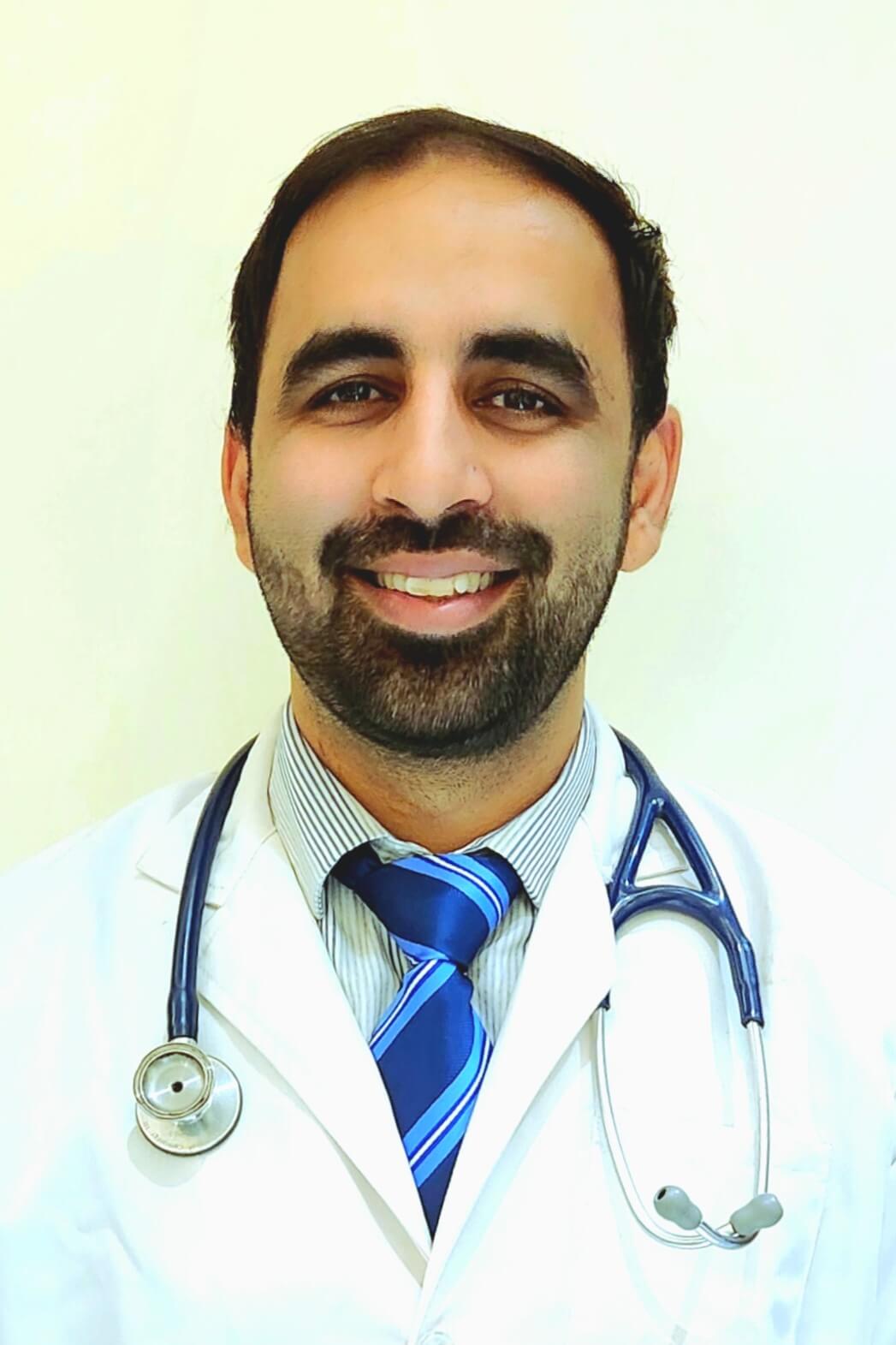
Consultant Physician & Diabetologist — Nirvana Clinic & Fortis Hospital, Greater Noida
An MRCP (UK)-qualified physician and diabetologist with 15+ years in metabolic medicine, Dr. Manuj treats fatty liver as a window into whole-body metabolic health — staging the liver properly, excluding other causes, and building an honest, individualised plan rather than reaching first for a prescription.
Fatty Liver & GLP-1 — Frequently Asked Questions
QCan fatty liver improve or be reversed?▼
Early fatty liver (simple steatosis) can often improve substantially, and even resolve, with sustained weight loss and management of the underlying metabolic causes. Inflammation (MASH) and earlier-stage fibrosis can also improve in many people. Advanced scarring (cirrhosis) is largely irreversible at a structural level, though progression may still be slowed. Outcomes depend on the stage, the cause, and on lasting lifestyle change.
QDo GLP-1 medicines treat fatty liver?▼
In India, GLP-1 medicines such as semaglutide and tirzepatide are not specifically approved for fatty liver; any such use is off-label and an individual physician decision. In trials they reduced liver fat and improved liver tissue in many carefully selected patients with biopsy-confirmed MASH — but always alongside structured nutrition and activity. They are not a standalone fix and not a substitute for lifestyle change.
QHow much weight loss helps fatty liver?▼
Modest, sustained weight loss often reduces liver fat, and greater sustained weight loss is associated with improvement in inflammation and, in some people, fibrosis. The exact amount varies between individuals. Weight loss achieved without dietary change tends to deliver far less benefit.
QWhat if alcohol is a factor?▼
Non-alcoholic fatty liver (MASLD) by definition excludes significant alcohol intake. If alcohol is a major contributor, the condition is classed differently (alcohol-related liver disease), and alcohol cessation must come first — a GLP-1 medicine will not address that. This is assessed at the consultation.
QIs a GLP-1 right for everyone with fatty liver?▼
No. These are prescription-only medicines with contraindications (including a personal or family history of medullary thyroid carcinoma, MEN-2, pancreatitis, and others) and are not suitable for everyone, including in pregnancy or planned conception. Honest assessment is essential; they are not universally appropriate.
QWhere can I get a supervised liver & metabolic assessment in Greater Noida?▼
Dr. Manuj Sondhi (MRCP UK) at Nirvana Clinic, Shop GF-93, Sun Twilight Mall, opposite Delta 1 Metro Station, Greater Noida, offers structured liver and metabolic assessment, including FibroScan-based staging. Call or WhatsApp +91 8800262767. Mon–Sat, 9 AM to 8 PM.
Ready to Understand Your Liver?
Proper staging and an honest metabolic assessment are the place to start — long before any talk of medication.
Liver & metabolic assessment with Dr. Manuj Sondhi, MRCP (UK) · Mon–Sat, 9 AM–8 PM