Fatty Liver Treatment in Greater Noida | Dr. Manuj Sondhi – Nirvana Clinic

Fatty Liver Treatment in Greater Noida | Dr. Manuj Sondhi – Nirvana Clinic
🫀 Fatty Liver Specialist · Greater Noida

Fatty Liver (NAFLD)
Treatment in Greater Noida

Fatty liver is India's most common liver condition — and it is reversible when caught early. Metabolic management by Dr. Manuj Sondhi (MRCP UK, 15+ years), integrating liver, diabetes and weight care at Nirvana Clinic, Greater Noida.

Serving patients from Jaypee Greens, Gaur City, Noida Extension, Pari Chowk, Alpha, Beta, Delta, Omega and all of Greater Noida.

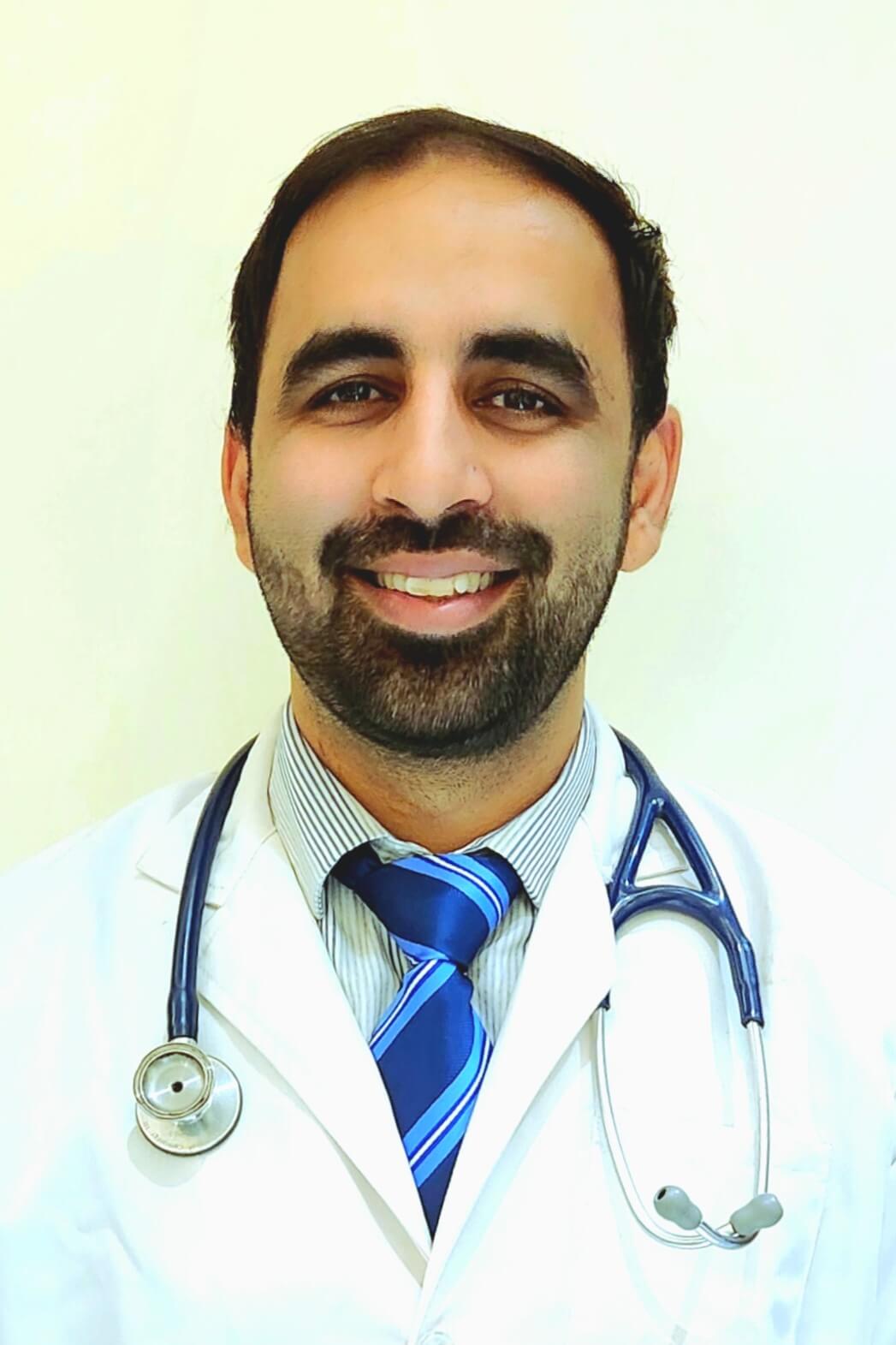
Dr. Manuj Sondhi — Fatty Liver Specialist Greater Noida
Dr. Manuj Sondhi
MRCP (UK) · MD · Metabolic & Liver Specialist
Nirvana Clinic & Fortis Hospital · Greater Noida
⭐ 300+ Reviews 🎓 MRCP UK
🎓 MRCP (UK) · PGD Endocrinology & Diabetes
|
🫀 Fatty Liver + Diabetes + Obesity — integrated care
|
📍 Sun Twilight Mall, Greater Noida
The Silent Epidemic

Fatty Liver Is India's Most Common Liver Disease — and Most Ignored

Non-Alcoholic Fatty Liver Disease (NAFLD) affects an estimated 38% of the Indian population — nearly 400 million people. It is caused by excess fat accumulating in liver cells in people who drink little or no alcohol. The primary drivers are insulin resistance, obesity, Type 2 diabetes and refined carbohydrate-heavy diets — all of which are highly prevalent in urban India.

The alarming reality is that fatty liver is almost always silent. Most patients discover it incidentally — a report saying "Grade 1 fatty liver" on an ultrasound done for something else, or mildly elevated ALT on a routine blood test. Many are simply told to "eat less and lose weight" and sent home without a proper management plan.

This is dangerous. Without structured management, NAFLD can quietly progress to NASH, liver fibrosis and eventually cirrhosis over 10–20 years. The good news: early-stage fatty liver is completely reversible with the right metabolic intervention.

"Fatty liver is not a standalone condition — it is a metabolic problem. Treating the liver without treating the insulin resistance, blood sugar and weight that drive it is why so many patients don't improve. I treat the whole metabolic picture."

— Dr. Manuj Sondhi, MRCP (UK)

Fatty liver facts — India
38% of Indians estimated to have NAFLD — the highest rate globally
70% of Type 2 diabetics in India also have fatty liver disease
Lean NAFLD — 10–20% of Indian patients have fatty liver despite normal BMI
20–25% of NAFLD cases progress to NASH (inflammatory stage)
Early-stage NAFLD is reversible — Grade 1 & 2 can resolve with 7–10% weight loss
38%
Indians with NAFLD — world's highest
70%
Of diabetics also have fatty liver
Silent
No symptoms until advanced stage
Rev.
Early stages fully reversible
Understanding Your Diagnosis

What Does "Grade 1/2/3 Fatty Liver" Actually Mean?

Many patients receive an ultrasound report saying "Grade 1 fatty infiltration" with no explanation of what it means or what to do next. Here is the full picture.

Stage 1
Grade 1 NAFLD
Mild fat accumulation · Fully reversible
5–33% of liver cells contain fat. No inflammation. Liver function tests may be normal or mildly elevated. Completely reversible with structured lifestyle changes within 3–6 months.
Stage 2
Grade 2 NAFLD
Moderate fat · Reversible with intervention
33–66% of liver cells affected. ALT/AST typically elevated. Reversible with structured weight loss (7–10% body weight) and metabolic management. Requires regular monitoring.
Stage 3
Grade 3 NAFLD / NASH
Severe fat + inflammation · Needs urgent management
More than 66% of liver cells affected. May have progressed to NASH (liver inflammation). Risk of fibrosis and cirrhosis if untreated. Requires intensive metabolic intervention and specialist monitoring.
Advanced
NASH → Fibrosis → Cirrhosis
Advanced disease · Specialist management required
Untreated Grade 3 NAFLD/NASH can progress to liver scarring (fibrosis) and irreversible cirrhosis over 10–20 years. This is why early intervention matters. Hepatology referral coordinated when needed.
If your ultrasound says "fatty liver" — don't ignore it. Even Grade 1 is a metabolic warning sign. A consultation with Dr. Manuj will determine your grade, assess your insulin resistance and diabetes risk, and create a structured reversal plan. Early action prevents progression to stages that cannot be reversed.
The Root Cause

The Diabetes–Fatty Liver–Obesity Triangle

Fatty liver, Type 2 diabetes and obesity do not exist independently — they are all manifestations of the same underlying problem: insulin resistance. When cells become resistant to insulin, the liver responds by converting excess glucose into fat and storing it in liver cells. This is why NAFLD is sometimes called the "hepatic manifestation of metabolic syndrome."

The relationship is also circular — fatty liver worsens insulin resistance, which worsens blood sugar, which worsens fatty liver. Breaking this cycle requires addressing all three components together, not treating the liver in isolation.

This is where Nirvana Clinic has a unique advantage in Greater Noida. Dr. Manuj manages diabetes, obesity, metabolic weight loss and fatty liver as an integrated metabolic condition — not as separate problems requiring separate specialists.

Who is at high risk for fatty liver?
Type 2 diabetes patients
Obesity (BMI above 25 in Indians)
PCOS and hormonal disorders
Prediabetes / insulin resistance
High triglycerides or low HDL
Hypertension
Sedentary lifestyle + high carb diet
Family history of liver disease
Elevated ALT/AST on blood test
Hypothyroidism
The metabolic triangle
Insulin Resistance
↙ ↘
Fatty Liver
Liver fat accumulation
Type 2 Diabetes
High blood sugar
↘ ↙
Obesity / Visceral Fat
Especially abdominal fat
All three worsen each other. Breaking the cycle requires addressing all three — which is exactly what Dr. Manuj does at Nirvana Clinic.
Treatment Protocol

Dr. Manuj's Approach to Fatty Liver Reversal

Fatty liver treatment at Nirvana Clinic is not a generic "lose weight" instruction. It starts with a full metabolic baseline and a structured, personalised plan — addressing the specific drivers of your liver fat accumulation.

01
Full metabolic baseline
LFT (ALT, AST, GGT), HbA1c, fasting insulin, HOMA-IR (insulin resistance score), lipid profile, thyroid function, vitamin D, ultrasound abdomen (if not recently done). This creates a complete picture of metabolic health — not just the liver.
02
Personalised dietary intervention
Targeted reduction of refined carbohydrates and added sugar — the primary drivers of liver fat in Indians. Not a generic diet sheet — a specific carbohydrate and sugar reduction plan based on your food patterns, HbA1c and insulin resistance score.
03
Insulin resistance treatment
Metformin and other insulin-sensitising agents reduce liver fat directly. For eligible patients, GLP-1 medications (Ozempic, Mounjaro) have strong evidence for liver fat reduction alongside weight loss — a dual benefit in patients with both fatty liver and obesity or diabetes.
04
Structured activity prescription
Even moderate physical activity significantly reduces liver fat — independent of weight loss. Dr. Manuj prescribes specific activity recommendations (type, duration, frequency) based on your current health and fitness level.
05
Monitoring and progress tracking
LFT and metabolic markers at 3 months to assess treatment response. Repeat ultrasound at 6 months. Goal: 7–10% body weight reduction in 6 months with improvement in ALT and liver echogenicity. Hepatology referral if Grade 3 or suspected NASH.
Dietary changes that make the biggest difference
Reduce significantly
White rice, maida, white bread (refined carbohydrates)
Cold drinks, packaged juices, sugary chai
Deep-fried snacks, namkeen, biscuits
Ultra-processed packaged foods
Increase
Protein at every meal — dal, eggs, paneer, fish, chicken
Vegetables — especially leafy greens, cruciferous
Whole grains — millets, oats, brown rice in moderation
Water — adequate hydration reduces liver stress
GLP-1 medications and fatty liver

Ozempic (semaglutide) and Mounjaro (tirzepatide) have demonstrated significant liver fat reduction in clinical trials — in some studies reversing Grade 2–3 NAFLD. For patients with both fatty liver and obesity or Type 2 diabetes, GLP-1 therapy addresses liver fat, blood sugar and weight simultaneously. Learn more about GLP-1 therapy →

Common Questions

Frequently Asked Questions

Who is the best doctor for fatty liver treatment in Greater Noida?
Dr. Manuj Sondhi (MRCP UK, MD, PGD Endocrinology & Diabetes, 15+ years) at Nirvana Clinic, Sun Twilight Mall, Greater Noida specialises in fatty liver disease management with particular expertise in the diabetes-fatty liver-obesity metabolic connection. Call +91 8800262767 to book.
What is fatty liver and is it serious?
Fatty liver (NAFLD) is excess fat accumulation in liver cells in people who drink little or no alcohol. Early stages are reversible. However, in 20–25% of cases it progresses to NASH — liver inflammation that can lead to fibrosis and cirrhosis over years. Early diagnosis and structured management halts or reverses progression. If your ultrasound says "fatty liver" — consult a doctor for a proper management plan.
Can fatty liver be reversed?
Yes — Grade 1 and Grade 2 NAFLD are fully reversible with structured lifestyle intervention. Losing 7–10% of body weight through dietary changes and physical activity significantly reduces liver fat. GLP-1 medications (Ozempic, Mounjaro) have also shown strong evidence for liver fat reduction in patients with obesity and diabetes. Dr. Manuj's metabolic approach at Nirvana Clinic addresses the root causes — not just the liver in isolation.
Is fatty liver connected to diabetes?
Yes — strongly. Up to 70% of patients with Type 2 diabetes have fatty liver disease. Both share the same underlying cause: insulin resistance. The relationship is bidirectional — fatty liver worsens insulin resistance, worsening diabetes; and poorly controlled diabetes accelerates fatty liver. Dr. Manuj manages both simultaneously at Nirvana Clinic using an integrated metabolic protocol.
Does fatty liver cause pain or symptoms?
Most patients with early fatty liver have no symptoms at all — it is typically discovered on an ultrasound done for another reason or on routine blood tests showing elevated ALT. Some experience a vague heaviness under the right ribcage. The absence of symptoms does not mean the condition is not progressing — regular monitoring is essential.
Which foods should I avoid with fatty liver?
Key foods to reduce: refined carbohydrates (white rice, maida, white bread), sugary beverages, deep-fried snacks, ultra-processed foods, and red or processed meats. The most important change for Indians is reducing refined carbohydrate and added sugar intake — the primary drivers of insulin resistance and liver fat accumulation. Dr. Manuj provides personalised dietary guidance based on your specific metabolic profile.
What is the difference between NAFLD and NASH?
NAFLD (Non-Alcoholic Fatty Liver Disease) is the broader term for fat accumulation in the liver. NASH (Non-Alcoholic SteatoHepatitis) is a more serious form where fat is accompanied by liver cell inflammation and damage. NASH carries a higher risk of progression to fibrosis and cirrhosis. NASH cannot always be distinguished from simple NAFLD on ultrasound alone — liver enzymes, clinical assessment and sometimes liver biopsy are needed.
How do I book a fatty liver consultation in Greater Noida?
Call or WhatsApp +91 88002 62767. Address: Shop GF-93, Sun Twilight Mall, Opposite Delta 1 Metro Station, Greater Noida, UP 201308. Open Monday to Saturday, 9 AM to 8 PM. Bring any recent ultrasound reports and blood test results (LFT, HbA1c, lipid profile) to your first appointment.
Find Us

Visit Dr. Manuj at Nirvana Clinic, Greater Noida

📍
Address
Shop GF-93, Ground Floor,
Sun Twilight Mall,
Opp. Delta 1 Metro Station,
Greater Noida, UP 201308
🕘
Clinic Hours
Mon – Sat: 9:00 AM – 8:00 PM
Sunday: Closed
Bring ultrasound & blood reports
Act Before It Progresses

Fatty Liver Is Reversible — When You Act Early

Integrated metabolic management for fatty liver, diabetes and obesity at Nirvana Clinic, Greater Noida. Evidence-based reversal protocols by Dr. Manuj Sondhi, MRCP (UK).