
Fatty Liver Grade 1, 2, 3 — What Your Ultrasound Report Actually Means
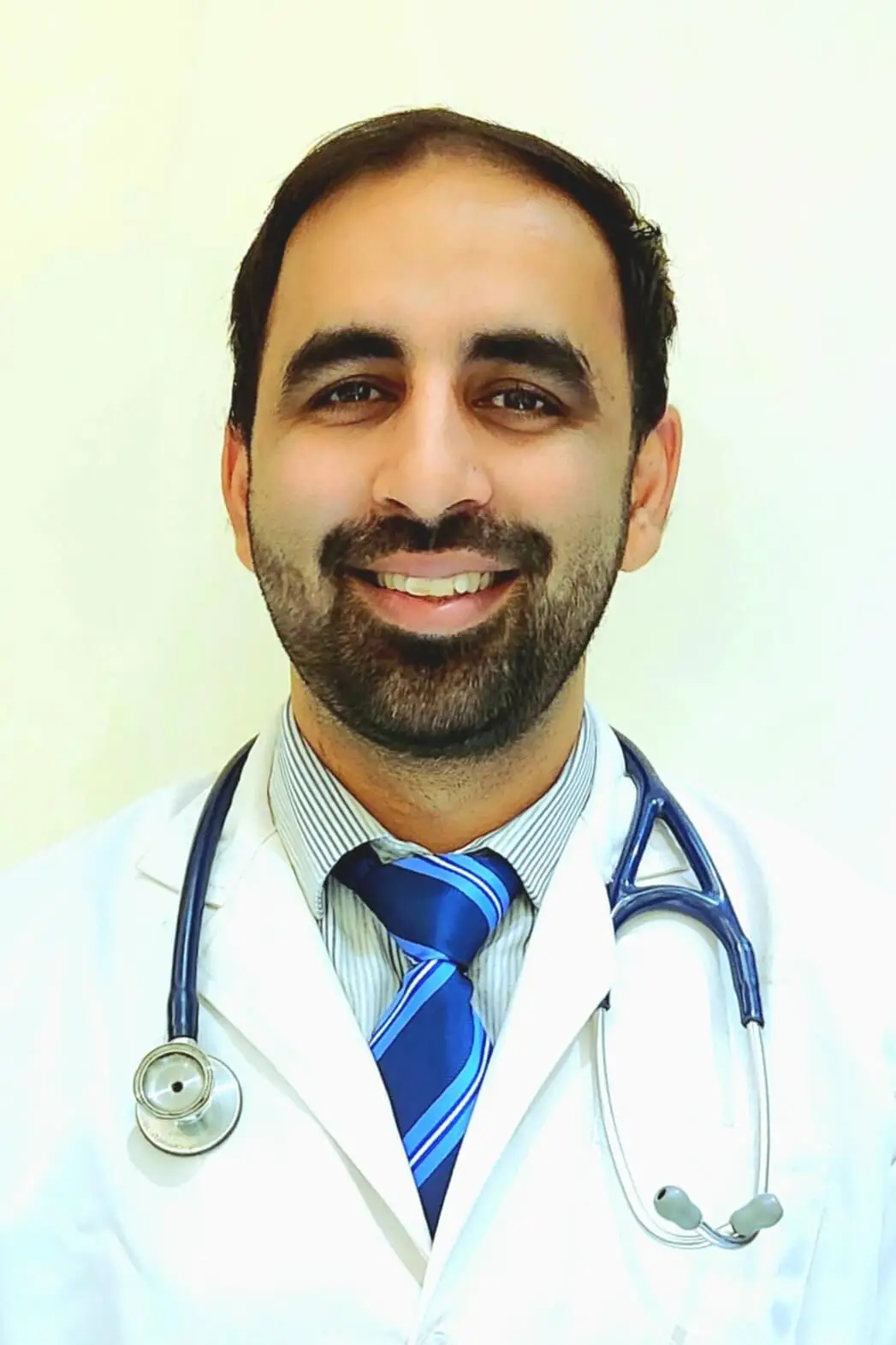
"Doctor, my ultrasound says Grade 2 fatty liver. Is it serious?"
I hear this question at least five times a week at Nirvana Clinic. The patient is usually worried, sometimes panicked — and almost always confused about what the grade actually means.
The confusion is understandable. Ultrasound reports in India often just state "Grade 1 fatty liver" or "Grade 2 hepatic steatosis" with no explanation of what that means for your health, whether you need treatment, or how urgently you should act.
This article is my attempt to explain — in plain language — exactly what each grade means, when fatty liver becomes genuinely dangerous, what blood tests you actually need beyond the ultrasound, and what works (and what doesn't) to bring liver fat down.
Key fact most patients don't know
Fatty liver is now the most common liver disease in India. Studies estimate that 30-38% of the Indian adult population has some degree of non-alcoholic fatty liver disease (NAFLD) — now officially renamed MASLD (Metabolic dysfunction-Associated Steatotic Liver Disease). If you have diabetes, that number jumps to over 60%.
What is fatty liver, exactly?
Your liver normally contains a small amount of fat — around 2-5% of its weight. This is completely normal. Fatty liver disease occurs when fat accumulates beyond this threshold, typically exceeding 5-10% of the liver's weight.
The fat doesn't arrive from eating "oily food" directly. The mechanism is metabolic: when your body has more calories than it can use — particularly from sugar, refined carbohydrates, and excess alcohol — the liver converts these into triglycerides and stores them within its own cells. Over time, this storage overwhelms the liver's capacity to process fat normally.
There are two main types:
- Non-Alcoholic Fatty Liver Disease (NAFLD/MASLD) — the most common type in India. Caused by obesity, diabetes, insulin resistance, high cholesterol, and sedentary lifestyle. This is what I see in 90% of my patients.
- Alcoholic Fatty Liver Disease (AFLD) — caused by regular alcohol consumption. Even "social drinking" of 2-3 drinks several times a week can cause fatty liver in susceptible individuals.
What do Grade 1, 2, and 3 actually mean?
When a radiologist performs your ultrasound, they compare the brightness (echogenicity) of your liver to your kidney. A normal liver appears similar in brightness to the kidney. As fat accumulates, the liver becomes progressively brighter and the deeper structures become harder to see.
Grade 1 Fatty Liver (Mild Steatosis)
Roughly corresponds to fat in about 5–33% of liver cells (ultrasound can only estimate this). The liver appears slightly brighter than the kidney on ultrasound. The diaphragm and blood vessels inside the liver are still clearly visible.
What it means for you: This is the earliest stage and the one that responds best to change. You almost certainly have no symptoms. Most patients discover Grade 1 incidentally during a routine health check-up.
Action needed: Lifestyle changes — diet modification, regular exercise, and 7-10% weight loss. No medication is typically needed. At this stage, liver fat usually comes down with sustained changes.
Grade 2 Fatty Liver (Moderate Steatosis)
Roughly corresponds to fat in about 33–66% of liver cells. The liver is significantly brighter. The diaphragm and deep blood vessels are becoming obscured by the fat.
What it means for you: This is where I start paying close attention. Grade 2 means the fat has been accumulating for a while and your metabolism is clearly struggling. Many patients at this stage already have insulin resistance, prediabetes, or high triglycerides — even if they don't know it yet.
Action needed: Aggressive lifestyle intervention plus blood work including liver enzymes (SGPT/SGOT), lipid profile, fasting insulin, HbA1c, and ideally a FibroScan to check for early fibrosis. Some patients may need medication for associated conditions.
Grade 3 Fatty Liver (Severe Steatosis)
Roughly corresponds to fat in more than 66% of liver cells. The liver is very bright on ultrasound. The diaphragm and deep hepatic vessels are no longer visible. The radiologist may note "diffuse fatty infiltration."
What it means for you: This is a medical red flag. Grade 3 is more often associated with NASH (Non-Alcoholic SteatoHepatitis, now called MASH) — where the fat causes active inflammation and the liver begins to scar. NASH can progress to cirrhosis and liver failure if left untreated.
Action needed: Immediate medical supervision. Comprehensive blood work, FibroScan, and in some cases liver biopsy. Structured weight loss programme, diabetes management, and close monitoring every 3 months.
The danger most patients miss
The grade on your ultrasound tells you how much fat is present — but it does not tell you whether inflammation or scarring has already begun. A patient with Grade 2 fatty liver and active inflammation (NASH) is at higher risk than a patient with Grade 3 without inflammation. This is why I always recommend liver enzymes and ideally a FibroScan — the ultrasound grade alone is not enough.
Quick answers to common report questions
How much fat in the liver is normal?
A healthy liver holds a little fat — in under about 5% of liver cells. Fatty liver means fat above that level. Ultrasound usually picks up fat only once it is well above this (roughly 20% or more), so a normal ultrasound does not completely rule out mild fatty liver, and the grade on your report is an estimate, not a precise measurement.
What SGPT (ALT) level goes with Grade 2 or Grade 3?
There is no fixed SGPT value for each grade. The grade describes fat seen on ultrasound; SGPT reflects irritation of liver cells, and the two often don't match. Many people with Grade 2 or 3 have a normal SGPT, and some with Grade 1 have a raised one. What matters is SGPT read together with SGOT, platelets and sugar, plus a fibrosis check such as the FIB-4 score or a FibroScan.
Is Grade 3 fatty liver reversible?
Liver fat at Grade 3 can come down substantially with weight loss, exercise and good control of diabetes and cholesterol, and a follow-up ultrasound can show a lower grade. The more important question is whether scarring (fibrosis) has started, because scarring improves slowly and not always completely. That is why Grade 3 needs a doctor-led plan and a fibrosis assessment, not just diet advice.
Have your ultrasound report? Here is the next step.
A fatty liver grade is a starting point. On its own it does not show how much the liver is inflamed or scarred. At a consultation, I review your ultrasound together with your liver tests (SGPT/SGOT), sugar, cholesterol and weight, tell you whether you need a FibroScan or other tests, and make a plan with you.
💬 Book a report-review consultation Fatty liver care at Nirvana Clinic
In clinic in Greater Noida (₹800) or online (₹1,000). Living outside India? See care for international patients.
Why is fatty liver so common in India?
The Indian diet and lifestyle are, unfortunately, a perfect recipe for fatty liver. In my clinical experience, the main drivers I see in Greater Noida patients are:
- Excessive refined carbohydrates — white rice, maida-based roti, bread, biscuits, and packaged snacks. These convert to glucose rapidly, overwhelming the liver.
- Sugar and sweetened beverages — chai with 2-3 spoons of sugar, cold drinks, packaged fruit juices. Fructose in particular is metabolised directly by the liver and is one of the most potent drivers of hepatic fat accumulation.
- Sedentary lifestyle — desk jobs, limited physical activity, car-dependent commuting in Greater Noida.
- Visceral (belly) fat — Indians accumulate abdominal fat at lower BMI levels than Western populations. A person with BMI 24-25 can have significant visceral fat and fatty liver. This is the "thin outside, fat inside" phenomenon.
- Undiagnosed insulin resistance — many patients have insulin resistance for years before diabetes develops. Fatty liver is often the first metabolic warning sign.
- Genetic predisposition — South Asians have a higher genetic susceptibility to NAFLD at lower body weights compared to Caucasians.
What blood tests do I actually need?
If your ultrasound shows fatty liver of any grade, I recommend the following at Nirvana Clinic:
- Liver Function Tests (LFT) — SGPT (ALT), SGOT (AST), GGT, alkaline phosphatase, bilirubin, albumin. Elevated SGPT suggests active liver inflammation.
- Lipid Profile — total cholesterol, LDL, HDL, triglycerides. High triglycerides are closely linked to fatty liver.
- HbA1c and Fasting Insulin — to check for diabetes and insulin resistance. If your HbA1c is above 5.7%, your risk of fatty liver progression increases significantly.
- FibroScan (Transient Elastography) — a non-invasive test that measures liver stiffness and fat content. The single most valuable test for assessing fibrosis risk. I recommend it for all Grade 2 and Grade 3 patients (offered at our periodic screening camps, or at a nearby centre).
- Uric Acid — often elevated in metabolic syndrome and can contribute to liver inflammation.
Important: normal SGPT does NOT mean your liver is fine
This is one of the most dangerous misconceptions I encounter. Many patients with Grade 2 fatty liver — and even early fibrosis — have completely normal liver enzymes. The absence of elevated enzymes gives a false sense of security. If your ultrasound shows fatty liver, act on it regardless of your enzyme levels.
Can fatty liver be reversed? What actually works?
Often, yes — and this is the good news. Liver fat, especially at Grade 1 and Grade 2, commonly comes down when the underlying causes are treated. That depends on sustained lifestyle changes, not supplements or shortcuts, and results vary from person to person.
1. Weight loss — the single most effective intervention
Losing just 7–10% of your body weight can substantially reduce liver fat and inflammation; in studies, around 10% or more has been linked with improvement in early scarring. For a person weighing 85 kg, that means losing 6-8.5 kg. The weight loss must be gradual — 0.5 to 1 kg per week. Crash dieting or very rapid weight loss can paradoxically worsen fatty liver temporarily.
2. Diet changes for Indian patients
- Reduce white rice portions — switch to brown rice, millets (bajra, jowar, ragi), or simply reduce quantity by half
- Eliminate sugar in tea and coffee — this single change removes 200-400 empty calories daily for many patients
- Stop fruit juices — eat whole fruits instead. The fibre slows fructose absorption. Juice delivers pure fructose directly to the liver.
- Increase protein — dal, paneer, eggs, chicken, fish. Indian diets are chronically low in protein, which worsens metabolic health.
- Add healthy fats — nuts, seeds, olive oil, ghee in moderation. Fat is not the enemy — refined carbohydrates are.
- Avoid maida completely — naan, white bread, biscuits, packaged namkeen, bakery items.
3. Exercise — 150 minutes per week minimum
Both aerobic exercise (brisk walking, cycling, swimming) and resistance training (weights, bodyweight exercises) reduce liver fat independently of weight loss. Even if the scale doesn't move, regular exercise improves insulin sensitivity and reduces hepatic inflammation. I tell my patients: the best exercise is the one you will actually do consistently.
4. Manage diabetes and cholesterol aggressively
If you have Type 2 Diabetes alongside fatty liver, HbA1c control becomes critical for liver health. Some medicines — such as pioglitazone and GLP-1 medicines (semaglutide, tirzepatide) — have shown benefits for liver fat and inflammation in studies; whether they suit you is a medical decision. This is where a diabetologist's involvement makes a significant difference — managing diabetes and fatty liver together, not separately.
5. Alcohol — be honest about it
If you drink, even "socially," complete cessation is the most effective single step you can take for your liver. There is no safe level of alcohol for someone with fatty liver.
What does NOT work — common myths
- Liv-52 and similar "liver tonics" — extremely popular in India, but no robust clinical evidence supports them for treating fatty liver. They create a false sense of action while the real problem remains.
- Milk thistle (silymarin) — some limited evidence of mild hepatoprotective effects, but nowhere near sufficient to treat fatty liver on its own.
- Karela juice, amla juice, or detox diets — no good evidence that they reduce liver fat.
- "Liver cleanse" protocols — your liver does not need cleansing. It needs less sugar, less refined carbohydrates, and more physical activity.
When should you see a doctor immediately?
Consult a physician urgently if you have fatty liver along with any of the following:
- Persistent fatigue or unexplained tiredness
- Pain or heaviness in the upper right abdomen
- SGPT (ALT) more than twice the normal range
- Diabetes or prediabetes (HbA1c above 5.7%)
- BMI above 30 or significant abdominal obesity
- Family history of liver disease or cirrhosis
- Grade 3 fatty liver on ultrasound
- Any signs of jaundice (yellowing of eyes or skin)
Worried about your fatty liver report?
Dr. Manuj Sondhi, MRCP (UK), MD, DNB, provides comprehensive fatty liver assessment including liver function tests, metabolic workup, and personalised plans at Nirvana Clinic, Greater Noida — in clinic (₹800) or online (₹1,000).
📞 Call: +91 88002 62767 💬 WhatsApp AppointmentThe fatty liver → diabetes → heart disease connection
This is something I emphasise with every fatty liver patient: fatty liver rarely exists in isolation. It is almost always part of a larger metabolic problem that includes insulin resistance, prediabetes, high triglycerides, and cardiovascular risk.
The progression typically follows this pattern: insulin resistance develops first → the liver begins accumulating fat → blood sugar rises → triglycerides increase → blood pressure rises → the patient is now in metabolic syndrome territory — at significantly elevated risk of heart attack, stroke, and Type 2 Diabetes.
This is precisely why fatty liver should be managed by a physician who understands the metabolic picture holistically. At Nirvana Clinic, I assess fatty liver patients for the complete metabolic profile: HbA1c, fasting insulin, lipid panel, uric acid, blood pressure, and waist circumference — and create a unified treatment plan that addresses the root cause, not just the ultrasound finding.
Frequently asked questions
Related reading
Diabetes Treatment at Nirvana Clinic → Fatty liver care at Nirvana Clinic → Indian fatty liver diet plan (7-day) → High SGPT / SGOT — what it means → NAFLD vs MASLD — the new name explained → Doctor-led medical weight loss → HbA1c Normal Range — What Your Number Means → Can Type 2 Diabetes Be Reversed? → About Dr. Manuj Sondhi — MRCP UK →
📍 Nirvana Clinic · Shop GF-93, Sun Twilight Mall, Opp. Delta 1 Metro Station, Greater Noida 201308
Mon–Sat 9 AM–8 PM · ₹800 Consultation
Medical disclaimer: This article is general health information, not a diagnosis. Your report needs to be interpreted with your history and other tests by a doctor. Seek urgent care for yellowing of the eyes, vomiting blood, black stools, confusion or severe abdominal pain.