Diabetes Reversal in India: Can Type 2 Diabetes Really Be Reversed?
A diabetologist's evidence-based answer — what the science actually shows about diabetes reversal in 2026, who is most likely to benefit, what works, and what to avoid. Specific to Indian patients.
Diabetes reversal is the most asked question I get at Nirvana Clinic. Every week, patients come in having heard one of two things — that Type 2 Diabetes is lifelong and they will be on medication forever, or that they read online about miraculous "cures" involving karela juice and 16-hour fasting. Both extremes are wrong. The truth, supported by serious clinical evidence published since the DiRECT trial in 2018, is more nuanced — and far more hopeful.
For many Indian patients with Type 2 Diabetes, reversal is genuinely achievable — in the sense doctors call remission. Not every patient. Not with every approach. And not without serious commitment. But for the right patient, with the right programme, under proper medical supervision, diabetes reversal is real and measurable. Outcomes vary between individuals. Here is what the 2026 evidence actually shows.
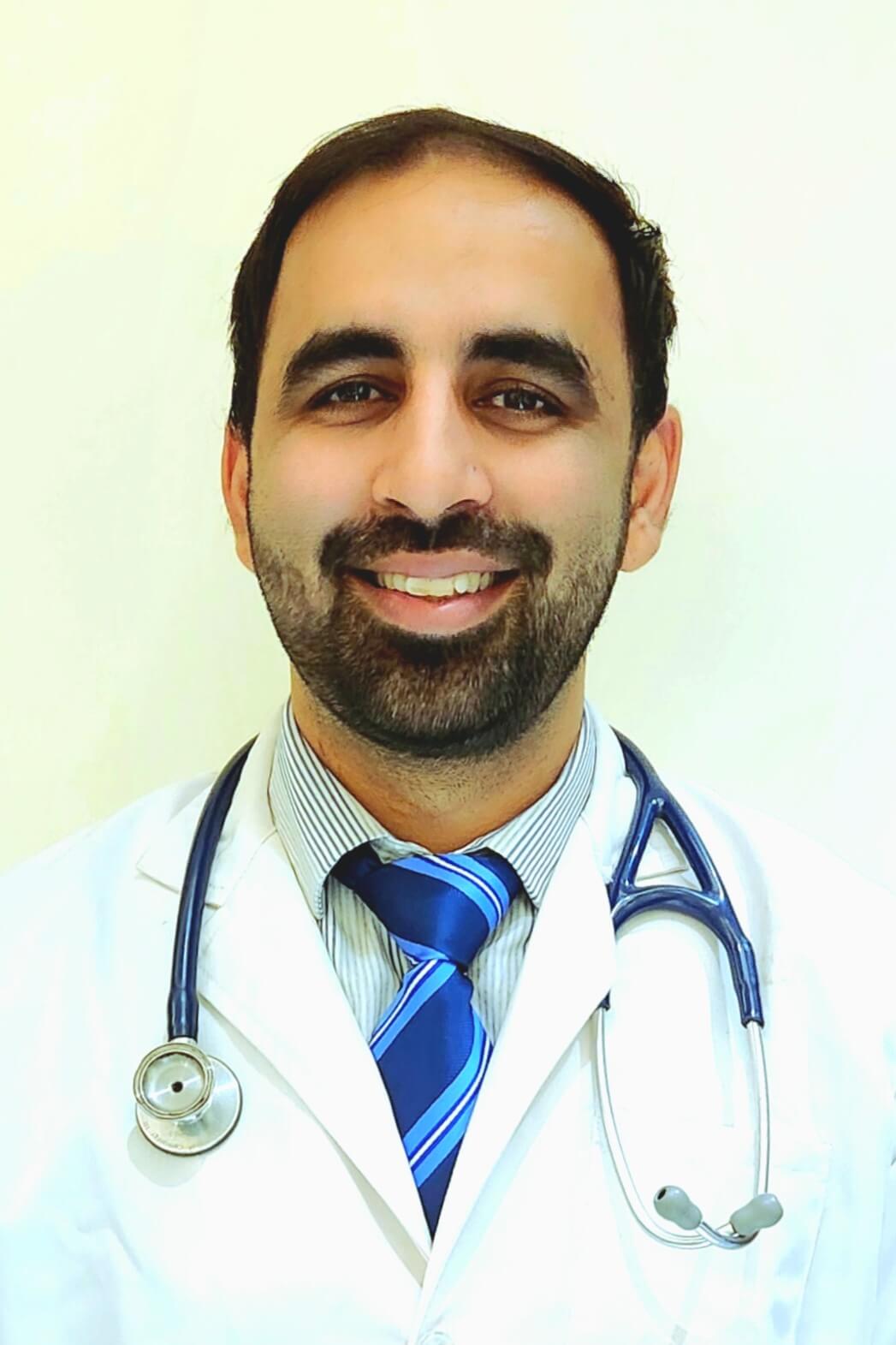
This article is written by Dr. Manuj Sondhi (MRCP UK), Consultant Physician & Diabetologist at Nirvana Clinic, Greater Noida, with 15+ years of clinical experience and 17 peer-reviewed publications. He runs the diabetes remission (reversal) programme at Nirvana Clinic using continuous glucose monitoring (CGM).
Diabetes Reversal vs Diabetes Cure — The Critical Distinction
Let me start with terminology, because this matters more than most patients realise. When clinicians talk about diabetes reversal, the precise medical word is remission — not cure.
- Diabetes remission means your HbA1c is below 6.5% without diabetes medication for at least 3 months. By clinical definition, you are no longer diabetic. You may stay in remission for a long time — but only if you maintain the lifestyle that got you there.
- Cure would mean the underlying metabolic damage is permanently reversed regardless of what you eat or how active you are afterwards. We are not at that point with current science.
This distinction matters because it sets honest expectations. Diabetes reversal through remission is real, measurable and clinically significant — fewer or no medications, lower complication risk, better quality of life. But it requires ongoing maintenance, not a one-time intervention, and it is not achievable for everyone.
The landmark DiRECT trial (UK, 2018) reported that 46% of Type 2 Diabetes participants achieved remission through an intensive dietary programme. The 5-year follow-up (2024) reported that 13% of original participants remained in remission at 5 years — and even those who relapsed had fewer diabetic complications than the control group. These are study-population results under trial conditions; individual outcomes vary and are not guaranteed.
Who Is Most Likely to Achieve Diabetes Reversal?
Not every patient is a candidate for diabetes reversal. The likelihood is highest in patients who fit a specific profile — and in my clinical practice I prefer to discuss this honestly upfront rather than raise false hopes. Here is the framework I use at Nirvana Clinic.
• HbA1c below 9% at diagnosis
• Significant weight to lose (BMI above 27)
• Not on insulin yet
• Strong motivation and family support
• Lifestyle was the primary driver of diabetes
• Already insulin-dependent
• Very high HbA1c (above 10%)
• Significant diabetic complications present
• Strong genetic/family history component
• Pancreatic beta-cell function severely reduced
Even when full diabetes reversal is not realistic, meaningful improvement in HbA1c, a reduction in medication burden, and prevention of complications is achievable for many patients. The goal I set with each patient is the best achievable metabolic health for their individual circumstances — not a one-size-fits-all target. These outcomes also vary between individuals.
How Diabetes Reversal Is Actually Achieved — The 4 Evidence-Based Pathways
There are four evidence-based pathways to diabetes reversal in 2026. I use these at Nirvana Clinic depending on the patient's profile, comorbidities and preferences.
- Very Low Calorie Diet (VLCD)Based on the DiRECT trial protocol — a structured dietary programme of about 800–900 calories per day for roughly 12 weeks, followed by a stepwise food reintroduction phase. In the trial this produced substantial weight loss and allowed the liver and pancreas to recover. This requires close medical supervision, not a DIY approach; I monitor patients closely during this phase.
- Low-Carbohydrate Diet (LCHF / Modified Ketogenic)Reducing carbohydrates cuts the glucose load on the pancreas and can improve insulin sensitivity over weeks. For Indian patients this needs culturally adapted guidance — white rice, roti and aloo are the primary targets. Many patients on a well-structured low-carb plan can see a meaningful HbA1c improvement within a few months.
- GLP-1 Receptor Agonists (Semaglutide, Tirzepatide)A major 2026 development. In clinical trials, medicines such as semaglutide (Ozempic, Rybelsus) and tirzepatide (Mounjaro) produced substantial weight loss and marked HbA1c reduction; brand names are given only for identification. Used as part of a structured programme — not as a standalone shortcut — they meaningfully expand who can work towards diabetes reversal. They are prescription-only medicines, used only after baseline assessment and supervised dose titration. More options, including Indian generics, are now available.
- Bariatric Surgery (for eligible patients)For patients with BMI above 32.5 (Indian threshold) who have not responded to other interventions, bariatric surgery achieves remission in a high proportion of cases in published studies — among the most effective single interventions we have. This is a joint decision with a bariatric surgeon and is reserved for specific cases.
The Nirvana Clinic programme combines CGM, dietary protocols and — where appropriate — GLP-1 therapy, supervised personally by Dr. Manuj Sondhi (MRCP UK).
Learn About Our Programme →The Role of Continuous Glucose Monitoring (CGM) in Diabetes Reversal
One of the most useful tools in modern diabetes reversal is CGM — devices such as Freestyle Libre and Dexcom that give real-time glucose readings every few minutes, replacing finger-prick testing. For patients working towards reversal, CGM helps in several ways:
- You see how different foods affect your glucose — which Indian foods (basmati vs brown rice, atta vs millet, dal vs rajma) raise your sugar most, and which are gentler
- You see the effect of exercise in real time — feedback becomes immediate and tangible
- You can identify nocturnal glucose patterns that quarterly HbA1c tests can miss
- For patients on a VLCD or GLP-1 therapy, CGM helps safely manage hypoglycaemia risk as medication is titrated down
In my experience, patients who use CGM alongside a structured dietary or GLP-1-supported programme tend to progress more confidently than those relying on quarterly HbA1c checks alone, though results vary. Learn more about CGM at Nirvana Clinic →
What Does NOT Work for Diabetes Reversal
Indian patients encounter a flood of misinformation — WhatsApp forwards, YouTube "doctors" and Instagram reels promising miracle cures. Let me be direct about what does not work:
- Karela (bitter gourd) juice — has a small glucose-lowering effect, but nowhere near sufficient for diabetes reversal. Should never replace medication.
- Jamun seeds, fenugreek, cinnamon — at best produce very small HbA1c reductions. Useful at most as minor adjuncts, not as treatments.
- Intermittent fasting alone — reduces total calorie intake, which can help, but for most Indian patients the foods eaten matter more than the eating window.
- Stopping medication without medical guidance — potentially dangerous. Medication reduction must be tied to documented HbA1c improvement and supervised — not based on home glucose readings or a sense of "feeling better".
- Buying GLP-1s online without supervision — semaglutide is now widely available, but using it without a proper protocol, baseline labs or dose titration is one of the most common mistakes I see. Read about the most common GLP-1 mistakes →
Never stop or reduce diabetes medication without your doctor's guidance — even if you are following a strict diet, taking GLP-1s, and your home glucose readings look good. Medication changes during a diabetes reversal programme must be supervised to avoid dangerous hypoglycaemia, especially if you are on insulin or sulfonylureas.
What Diabetes Reversal Can Look Like in Practice — An Illustrative Case
The example below is illustrative — one patient's experience, shared with consent. It is not a typical or guaranteed outcome; results vary considerably between individuals.
To make this concrete: a patient in their late 40s from Greater Noida, diagnosed about 3 years earlier, came in on Metformin with an HbA1c around 8% and a BMI in the low 30s. After about 6 months on a combined programme (low-carb diet, supervised once-weekly semaglutide titration, CGM monitoring and monthly review), their HbA1c improved into the normal range, they lost a significant amount of weight, and Metformin was gradually tapered. At 12 months they remained off medication with a stable HbA1c — clinically defined remission, with improved energy and sleep. Again, this is one individual's result, not what every patient should expect.
Many patients who do not reach full reversal still benefit — lower medication doses, fewer complications, better wellbeing.
Frequently Asked Questions About Diabetes Reversal
QCan Type 2 Diabetes be reversed permanently in India?▼
Sustained diabetes reversal (remission below 6.5% HbA1c without medication) is documented for 5+ years in people who maintain the lifestyle changes that achieved it; the DiRECT 5-year data reported 13% of participants still in remission. If weight is regained or dietary habits revert, diabetes typically returns. So reversal can be sustainable — but it is not permanent or effortless, and it is not achievable for everyone.
QHow much weight do I need to lose for diabetes reversal?▼
In the DiRECT trial, those who lost 15 kg or more had the highest remission rates (around 86% in that subgroup), while smaller losses of 5–8 kg still produced measurable HbA1c improvement. For Indian patients who develop diabetes at lower weights, even a 5% body-weight reduction can be clinically meaningful. Combining weight loss with carbohydrate restriction tends to matter more than weight loss alone. Individual results vary.
QIs diabetes reversal possible without any medication?▼
For people in early diabetes with lower HbA1c, working towards remission through dietary change alone can be realistic. With higher HbA1c, medication is usually continued initially and tapered as HbA1c improves — gradually and under supervision. GLP-1 medicines are sometimes used as bridge therapy and then withdrawn once metabolic targets are stable. Whether medication can be stopped is an individual clinical decision.
QDo GLP-1 drugs like Ozempic and Mounjaro cause diabetes reversal?▼
GLP-1 receptor agonists (semaglutide, tirzepatide) can be useful tools when used correctly, producing substantial weight loss and HbA1c reduction in trials. However they are best thought of as bridge therapy rather than a standalone cure — when stopped, weight regain and HbA1c rebound are common unless lifestyle changes are sustained. They are prescription-only and used only after individual assessment. Brand names are given only for identification.
QWhere can I get diabetes reversal treatment in Greater Noida?▼
Dr. Manuj Sondhi (MRCP UK) at Nirvana Clinic, Sun Twilight Mall (opposite Delta 1 Metro Station, Greater Noida) runs a structured diabetes remission (reversal) programme using continuous glucose monitoring, evidence-based dietary protocols and — where appropriate — GLP-1 therapy. He has 15+ years of experience and 17 published research papers. Call or WhatsApp +91-88002-62767.
QHow long does diabetes reversal take?▼
Many patients on a structured programme see meaningful HbA1c improvement within about 3 months. Working towards full reversal (HbA1c below 6.5% off all medication) typically takes 6–12 months depending on starting HbA1c, degree of weight loss and individual metabolic response. With GLP-1 support some reach remission sooner. Younger patients with recent-onset diabetes generally respond fastest. Timelines vary.
QWhat is the difference between diabetes reversal and diabetes remission?▼
Both refer to maintaining HbA1c below 6.5% without diabetes medication for at least 3 months. The American Diabetes Association formally uses "remission" because it accurately reflects that the underlying metabolic vulnerability remains — diabetes can return if the conditions that caused it return. "Diabetes reversal" is the term more commonly used by patients.
Dr. Manuj Sondhi is one of the few MRCP (UK)-qualified physicians in Greater Noida with a focus in diabetes and metabolic medicine, running the diabetes remission (reversal) programme at Nirvana Clinic using continuous glucose monitoring and evidence-based protocols. He has published 17 peer-reviewed papers and has 15+ years of clinical experience treating metabolic conditions. Patients travel from across Delhi NCR — Noida, Ghaziabad, Faridabad and Gurgaon — for his care.
View Full Profile →Related Reading on Diabetes Reversal
Want to Discuss Diabetes Remission for Your Case?
Book a consultation with Dr. Manuj Sondhi (MRCP UK) at Nirvana Clinic, Greater Noida. A personalised programme using CGM and — where appropriate — GLP-1 therapy. Same-day appointments often available.
- Lean ME, Leslie WS, et al. Primary care-led weight management for remission of type 2 diabetes (DiRECT): an open-label, cluster-randomised trial. The Lancet, 2018. Read DiRECT trial →
- American Diabetes Association. Standards of Care in Diabetes — 2025. Diabetes Care. ADA Standards →
- Riddle MC, Cefalu WT, et al. Consensus Report: Definition and Interpretation of Remission in Type 2 Diabetes. Diabetes Care, 2021. Remission consensus →