Schizophrenia & Psychosis Treatment in Greater Noida | Dr. Debolina Chowdhury | Nirvana Clinic
Serious Mental Illness Specialist

Schizophrenia & Psychosis Treatment in Greater Noida

Is your loved one hearing voices, believing things that aren't real, or losing touch with reality? Schizophrenia is a serious brain disorder — but with proper treatment, stability and a meaningful life are absolutely possible.

Understanding Schizophrenia

Schizophrenia & Psychosis Treatment in Greater Noida — It's a Brain Disorder, Not a Curse

If you're searching for schizophrenia and psychosis treatment in Greater Noida, you're likely a family member watching someone you love change in ways that are frightening and heartbreaking. Your son has stopped talking to friends and mutters to himself. Your wife believes neighbours are spying on her. Your brother hears voices that no one else can hear.

Schizophrenia is not madness. It is not a curse. It is not caused by bad parenting or weak character. It is a brain disorder — caused by imbalances in neurotransmitters (primarily dopamine and glutamate) that affect perception, thinking, and behaviour. It affects approximately 1% of the population worldwide.

The word "schizophrenia" carries enormous stigma in India, where families often hide the diagnosis, consult faith healers, or deny the problem. This delay in proper psychiatric treatment is the single biggest reason patients deteriorate. Early, proper treatment dramatically changes outcomes.

Dr. Debolina Chowdhury provides schizophrenia and psychosis treatment in Greater Noida with compassion, medical precision, and deep family involvement. She treats the patient AND supports the family — because schizophrenia affects everyone in the household.

Recognise the Symptoms

The 4 Symptom Clusters of Schizophrenia

Understanding these clusters helps families recognise the illness and track treatment response.

Positive Symptoms
🔴 Things Added to Reality
  • Hallucinations — hearing voices (most common), seeing things, or feeling sensations that aren't there
  • Delusions — unshakeable false beliefs (being spied on, having special powers, being controlled by external forces)
  • Paranoia — intense suspicion that others are plotting against them
  • Disorganised speech — jumping between topics, making no logical sense, "word salad"
Negative Symptoms
🔵 Things Taken Away
  • Flat affect — reduced emotional expression, blank face, monotone voice
  • Social withdrawal — avoiding people, staying in room, no interest in socialising
  • Avolition — loss of motivation, inability to start or complete tasks
  • Poor self-care — not bathing, not changing clothes, neglecting hygiene
Cognitive Symptoms
🟡 Thinking Difficulties
  • Poor concentration — unable to focus, easily distracted
  • Memory problems — forgetting recent conversations or instructions
  • Impaired decision-making — difficulty with planning, organising, problem-solving
  • Slow processing — taking much longer to understand or respond
Mood Symptoms
🟣 Emotional Changes
  • Depression — persistent sadness, hopelessness, suicidal thoughts
  • Anxiety — constant worry, agitation, restlessness
  • Inappropriate emotions — laughing at sad news, crying without reason
  • Irritability — anger outbursts, hostility, suspicion towards family
Early Warning Signs — Before a Full Psychotic Episode
Families often notice changes months before a full episode. Catching these early signs can prevent crisis.
🔇
Social withdrawal. Suddenly avoiding friends, staying in their room, dropping out of activities they used to enjoy.
😶
Emotional flatness. Showing less emotion, speaking less, seeming "disconnected" or "not there."
🧐
Unusual suspicions. Believing people are watching them, checking windows repeatedly, trusting no one.
📉
Academic/work decline. Sudden drop in performance, inability to concentrate, missing deadlines or classes.
😴
Sleep pattern changes. Staying awake all night, sleeping all day, or severely disrupted sleep with no explanation.
🗣️
Strange speech or behaviour. Talking to themselves, laughing without reason, making bizarre statements, writing cryptic messages.
🚿
Neglected hygiene. Stopping bathing, not changing clothes for days, appearing dishevelled when they were previously well-groomed.
🧪
Substance use. New or increased use of cannabis, alcohol, or other drugs. Cannabis use in particular can trigger psychosis in vulnerable individuals.

If you notice these signs in a family member (especially a young person aged 16-30), please consult a psychiatrist urgently. Early intervention during the "prodromal" phase — before a full psychotic episode — can dramatically improve long-term outcomes. Call Dr. Debolina at +91 8826447767.

Myth Busting

What Schizophrenia Is NOT

"Schizophrenia means split personality." No. Schizophrenia has nothing to do with multiple personalities. That's a completely different (and rare) condition called Dissociative Identity Disorder.
"People with schizophrenia are violent and dangerous." False. Patients with schizophrenia are far more likely to be victims of violence than perpetrators. With proper treatment, they pose no greater risk than anyone else.
"It's caused by bad parenting or family problems." No. Schizophrenia is a neurobiological disorder with strong genetic and brain chemistry components. Family dynamics don't cause it — though family support dramatically helps recovery.
"It can be cured by faith healers, mantras, or jadibooti." Schizophrenia requires psychiatric medication — specifically antipsychotics. Delaying medical treatment for alternative remedies causes the illness to worsen, often irreversibly.
"People with schizophrenia can never work or live normal lives." With proper medication and support, many patients with schizophrenia hold jobs, have relationships, and live independently. Early treatment is the key factor.
Our Treatment Approach

How We Treat Schizophrenia at Nirvana Clinic

01
Comprehensive Diagnostic Assessment
Thorough psychiatric evaluation to confirm diagnosis, identify the specific type (paranoid, disorganised, catatonic), rule out other conditions (bipolar psychosis, substance-induced psychosis, medical causes), and assess severity.
02
Antipsychotic Medication
The cornerstone of treatment. Second-generation antipsychotics (Risperidone, Olanzapine, Aripiprazole, Clozapine for treatment-resistant cases) to control hallucinations, delusions, and disorganised thinking. Carefully dosed to minimise side effects.
03
Side Effect Management
Proactively managing weight gain, sedation, metabolic changes, and movement side effects. Regular blood tests (especially for Clozapine). Adjusting medication to find the best balance of effectiveness and tolerability.
04
Family Psychoeducation
Teaching families about the illness — what symptoms look like, why medication is essential, how to communicate with the patient, what to do during a crisis, and how to recognise early warning signs of relapse.
05
Rehabilitation & Social Skills
Once symptoms stabilise, gradually rebuilding daily routines, social interactions, self-care habits, and occupational skills. The goal: maximum independence and quality of life.
06
Long-Term Relapse Prevention
Regular follow-ups (monthly or as needed), medication adherence support, early warning sign monitoring, and crisis planning. Stopping medication is the #1 cause of relapse — Dr. Debolina works with families to prevent this.
📣 For Families: How to Support Your Loved One
Schizophrenia affects the entire family. Your response can make the difference between stability and crisis.
DO: Learn about the illness. Understanding that hallucinations and delusions are brain symptoms — not choices — reduces blame and improves compassion.
DON'T: Argue with delusions. Saying "that's not real" doesn't help — it damages trust. Instead say "I understand you're experiencing this. Let's talk to the doctor."
DO: Ensure medication adherence. Help them take their medication daily. Use reminders, pill organisers, or injectable long-acting formulations if forgetting is an issue.
DON'T: Shout, punish, or lock them up. Aggression and confinement increase fear and paranoia. Stay calm, speak softly, maintain safety without force.
DO: Keep a crisis plan ready. Know what to do if symptoms suddenly worsen — who to call, where to go, which medications to increase. Plan during stability, not crisis.
DON'T: Consult faith healers instead of doctors. Every month of delayed medical treatment causes further brain deterioration. Medication is not optional — it is essential and life-saving.
DO: Take care of yourself. Caregiver burnout is real and severe. Attend family support sessions, consider your own therapy, and don't sacrifice your health for theirs.
DO: Celebrate small wins. Bathing independently, going for a walk, having a conversation — these are victories. Acknowledge and encourage every step forward.
Your Schizophrenia Specialist

Dr. Debolina Chowdhury — Compassionate, Expert, Available
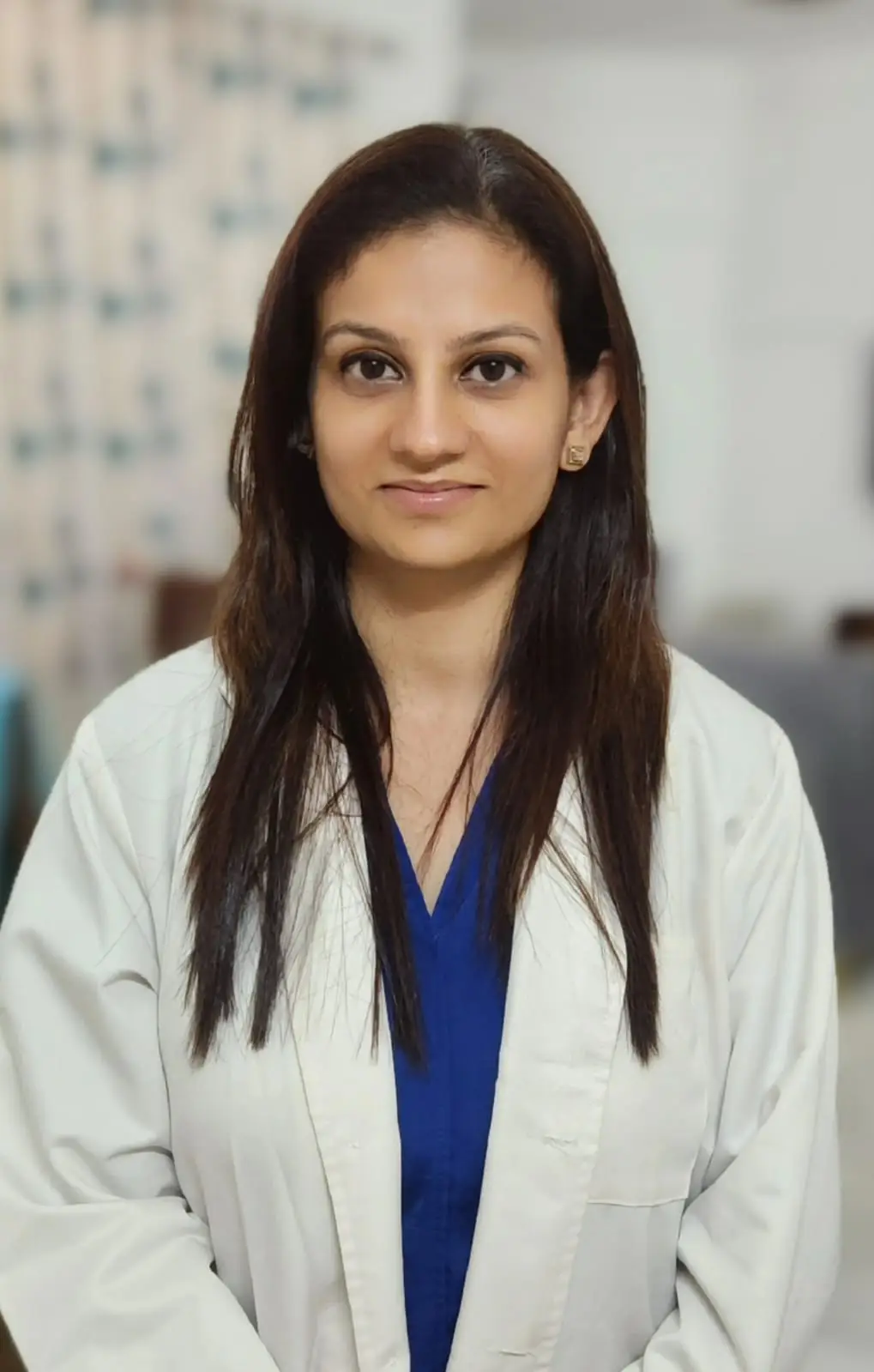
Dr. Debolina Chowdhury — Schizophrenia Specialist Greater Noida
Dr. Debolina Chowdhury
MD Psychiatry · Senior Consultant · Nirvana Clinic & Fortis Hospital, Greater Noida

15+ years of clinical experience including extensive management of schizophrenia, psychosis, schizoaffective disorder, and treatment-resistant cases. Dr. Debolina has managed patients across the full spectrum — from first-episode psychosis in young adults to chronic schizophrenia requiring complex medication regimens including Clozapine. She is known for her exceptional patience with both patients and families, and her ability to explain complex diagnoses in simple, compassionate language.

"Our son was 22 when he started hearing voices and believing the government was tracking him. We were terrified. We wasted 6 months with a baba before someone told us to see a psychiatrist. Dr. Debolina diagnosed schizophrenia, started medication, and within 3 months our son was talking to us again. She also helped us understand the illness and stop blaming ourselves. She saved our family."

— Father of 22-year-old patient, Greater Noida · Verified Patient

"My wife was diagnosed with schizophrenia 8 years ago by another doctor but the medication caused terrible weight gain and she stopped taking it. Dr. Debolina switched her to a medication with fewer side effects and helped us create a routine. My wife has been stable for 2 years now. She does the cooking, takes care of our kids, and even goes to the temple on her own. We never thought this was possible."

— Husband of schizophrenia patient, 38, Greater Noida · Verified Patient

Every Condition We Treat — Complete Directory

Common Questions

Frequently Asked Questions

What is schizophrenia?
Schizophrenia is a serious brain disorder that affects how a person thinks, feels, and perceives reality. Symptoms include hallucinations (hearing voices), delusions (false beliefs), disorganised thinking, social withdrawal, and reduced emotional expression. It is treatable with antipsychotic medication.
Who treats schizophrenia in Greater Noida?
Dr. Debolina Chowdhury (MD Psychiatry, 15+ years) at Nirvana Clinic, Sun Twilight Mall, Greater Noida provides comprehensive schizophrenia and psychosis treatment including diagnosis, medication management, family education, and long-term relapse prevention.
Can schizophrenia be cured?
Schizophrenia cannot be cured, but it can be effectively managed. With the right antipsychotic medication and support, many patients lead stable, productive lives. Early treatment dramatically improves outcomes.
Is lifelong medication necessary?
In most cases, yes. Stopping medication is the most common cause of relapse and hospitalisation. Dr. Debolina works closely with patients and families to find medication with minimum side effects for long-term use.
What should we do if our family member refuses treatment?
This is very common — many patients don't believe they're ill (a symptom called "anosognosia"). Dr. Debolina can guide families on how to encourage treatment gently. In severe cases, long-acting injectable medications can help ensure adherence.
Is schizophrenia hereditary?
There is a genetic component — having a first-degree relative with schizophrenia increases risk from 1% to about 10%. However, genetics alone don't cause it. Environmental factors like stress, substance use, and trauma also play a role.
How to book schizophrenia treatment in Greater Noida?
Call or WhatsApp Dr. Debolina Chowdhury at +91 8826447767. Family members can call on the patient's behalf. Nirvana Clinic, Shop GF-93, Sun Twilight Mall, Opp. Delta 1 Metro Station, Greater Noida 201308. Mon-Sat 9AM-8PM.

They're Not Lost.
They Need the Right Treatment.

Schizophrenia is frightening — for the patient and the family. But with proper medication, expert care, and family support, stability is achievable. Don't wait. Don't consult faith healers. Get your loved one to a psychiatrist.

📍 Shop GF-93, Sun Twilight Mall, Opp. Delta 1 Metro Station, Greater Noida, UP 201308
🕘 Mon–Sat: 9:00 AM – 8:00 PM · Family members can call on patient's behalf