Home › Child Psychiatry › Autism Spectrum Assessment
Autism Spectrum Assessment & Support in Greater Noida
Worried that your child isn't speaking, making eye contact, or playing like other children their age? An early, structured assessment by a qualified psychiatrist gives you answers — and if support is needed, the earlier it starts, the better children generally do.
Early Signs Parents Commonly Notice
By 12–18 months
- Not responding to their name being called
- Limited or no pointing to show things of interest
- Reduced eye contact during play or feeding
- Not waving bye-bye or imitating simple actions
By 2–3 years
- Few or no meaningful words; not combining two words
- Preferring to play alone; limited interest in other children
- Repetitive movements — hand-flapping, spinning, lining up toys
- Strong distress with small changes in routine
- Unusual reactions to sounds, textures, or lights
- Loss of words or skills the child previously had — this sign in particular deserves prompt evaluation
Every child develops at their own pace, and one isolated sign rarely means autism. It is the pattern across communication, social interaction, and behaviour that matters — which is exactly what a structured assessment examines.
What the Assessment Involves
1. Detailed developmental history — pregnancy and birth history, milestones, family history, and your specific observations. Bring videos from your phone; they are genuinely useful clinical information.
2. Direct observation and structured screening — the child is observed in play and interaction, supported by validated screening and diagnostic frameworks appropriate to age.
3. Ruling out look-alikes — hearing assessment referral if not already done, and evaluation for isolated speech-language delay, ADHD, anxiety, and other conditions that can resemble or accompany autism.
4. Clear explanation of findings — what the assessment shows, in plain language (English, Hindi, or Bengali), including where your child sits on the developmental picture and what it means practically.
5. A written support plan — because a diagnosis is only useful if it leads to action.
What Happens After Diagnosis: Honest Expectations
Autism is a neurodevelopmental difference, not a disease to be "cured" — and any centre promising a cure or guaranteed recovery should be approached with great caution. What genuinely helps, backed by evidence, is early and consistent structured intervention: speech and language therapy, occupational therapy, and behavioural therapy, alongside informed parenting. Children who receive early support typically show meaningful gains in communication, daily skills, and school readiness.
Dr. Debolina Chowdhury's role in your child's care includes:
• Accurate diagnosis and severity assessment — the foundation everything else builds on
• Guiding you to the right therapies and connecting you with qualified speech, occupational, and behavioural therapy services, so you don't waste months and money on unproven programmes
• Managing co-occurring difficulties where they exist — severe hyperactivity, sleep problems, aggression, or anxiety — including careful, monitored medicines only when clearly needed for specific symptoms (medicines do not treat autism itself)
• Parent counselling: how to communicate with your child, structure the home routine, and handle school conversations
• Documentation and guidance for disability certification and school accommodations where applicable
• Regular follow-up to track progress and adjust the plan
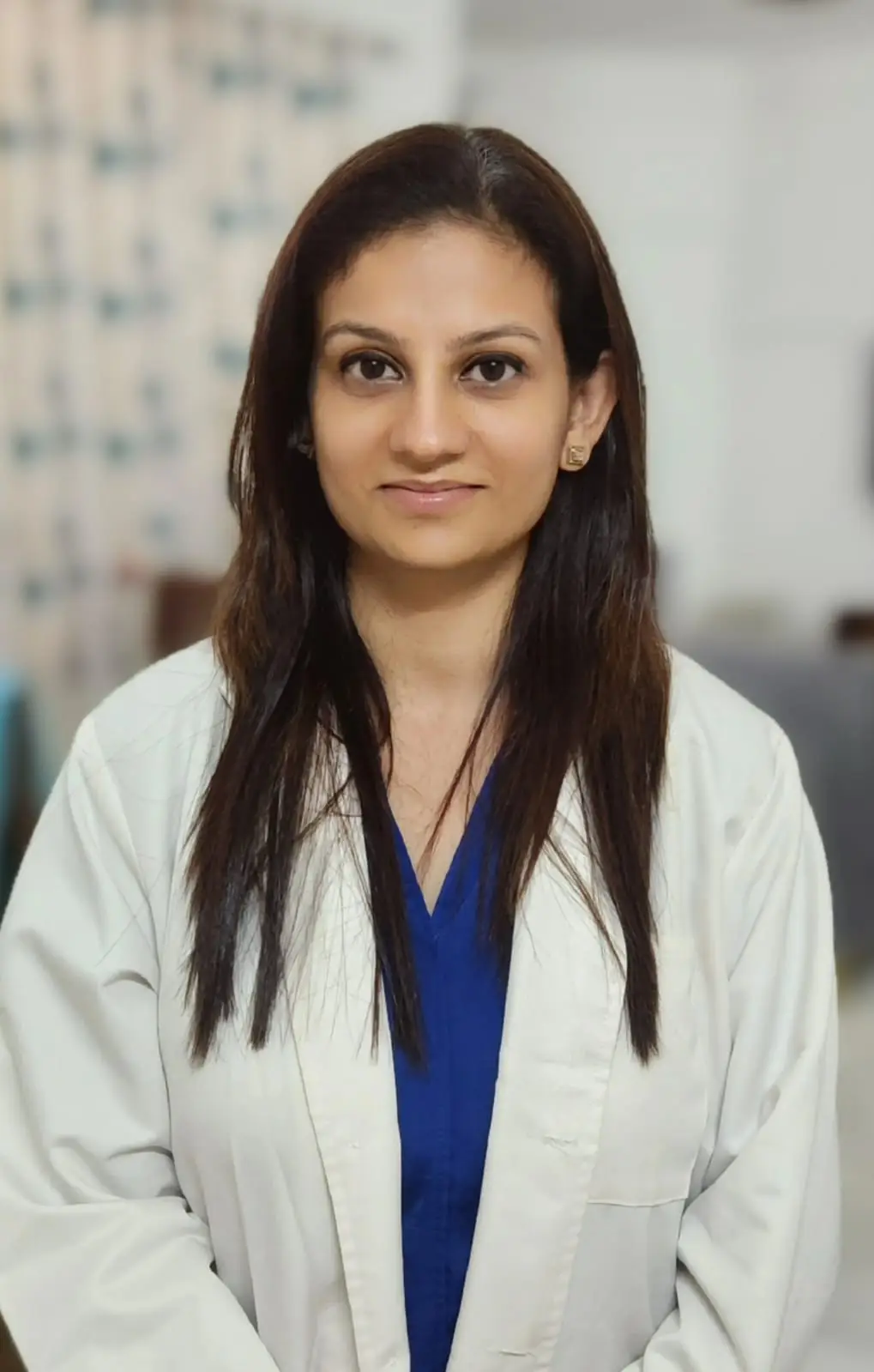
Dr. Debolina Chowdhury — Consultant Psychiatrist
MBBS, MD Psychiatry (JNMC, Wardha) · 15+ years of experience including child & adolescent psychiatry · 17 research publications and 5 book chapters · NMC Reg. No. 12-46759 · Consults in English, Hindi, and Bengali at Nirvana Clinic, opposite Delta-1 Metro Station, Greater Noida.
Get Clarity, Not Just Worry
A structured autism assessment with honest answers and a practical plan. In-clinic in Greater Noida; an initial online discussion is also possible.
WhatsApp to Book Call +91 88264 47767Every Condition We Treat — Complete Directory
Frequently Asked Questions
My 2-year-old is not speaking. Does that mean autism?
At what age can autism be diagnosed?
Can autism be cured?
Are medicines used for autism?
Is autism caused by vaccines or by parenting style?
Will my child be able to attend a normal school?
Last updated: 7 July 2026